8 minhands-on
253 cal·20 g protein
Quick
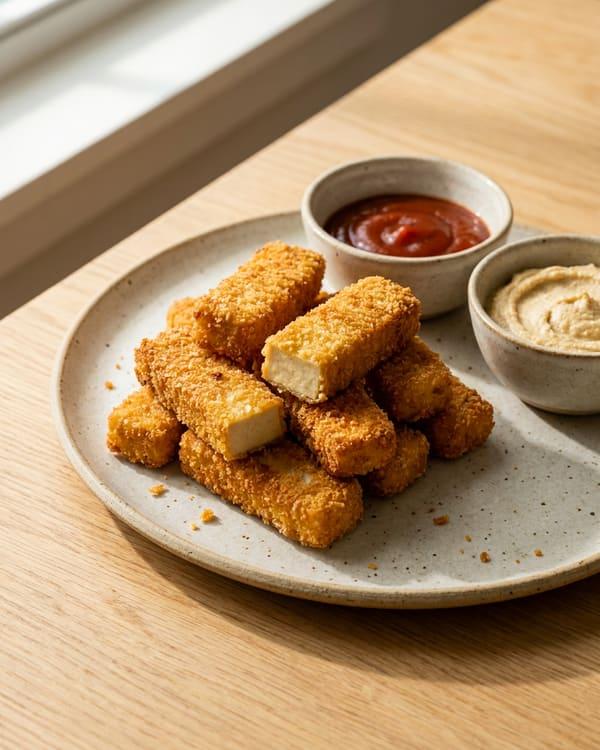
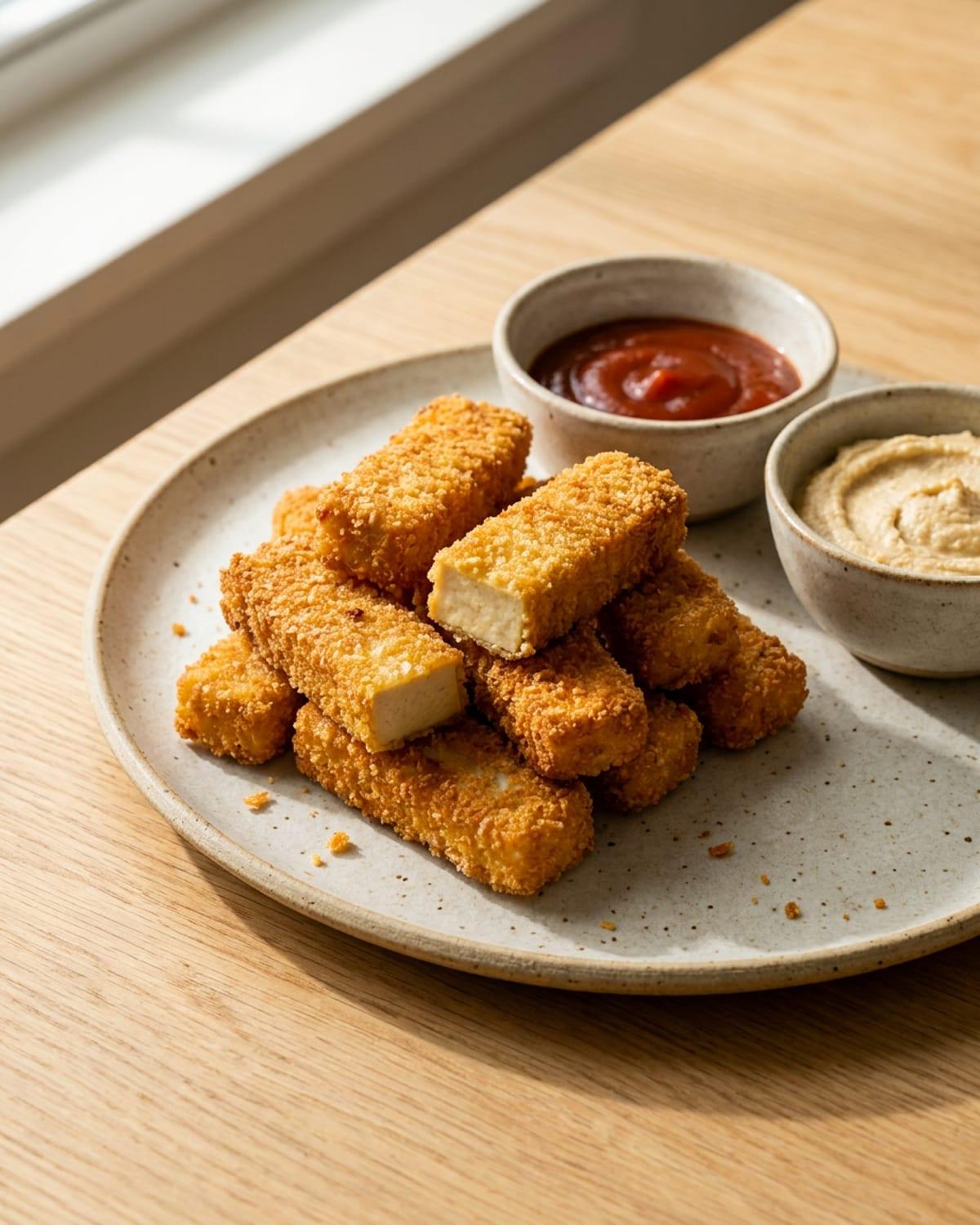
Crispy Tofu Fingers
$1.22 per serving·28 min total
Cook one dinner for the whole table and serve it the way each kid eats it. Here’s what babies, toddlers and picky six-year-olds actually need, and the meals they’ll actually eat.
From about 12 months, toddlers can eat almost everything the family eats, cut small and seasoned mildly. Their appetite swings a lot from day to day. That's normal.
Of an adult serving. 1,000 to 1,400 cal a day.
Small stomachs need food often. A snack is a mini meal, not a treat.
After 12 months, unsweetened fortified soy or pea milk has the protein, calcium and vitamin D closest to dairy. About 16 to 24 oz a day. Rice, almond, oat and coconut milk are too low in protein to be the main milk.
Under 2, fat fuels brain growth. Nut and seed butters, avocado, tofu, hummus and olive oil are your friends.
Lots of beans and whole grains can fill a toddler up before they've eaten enough calories. White pasta, white rice and plain bread are fine too.
Around 18 months to 2 years, kids get wary of new foods. It peaks between 2 and 6. It's a stage, not a failure.
Nobody has time to cook twice. Kid-friendly recipes show how to serve the same meal to a baby, a toddler and a big kid, with their portion worked out.
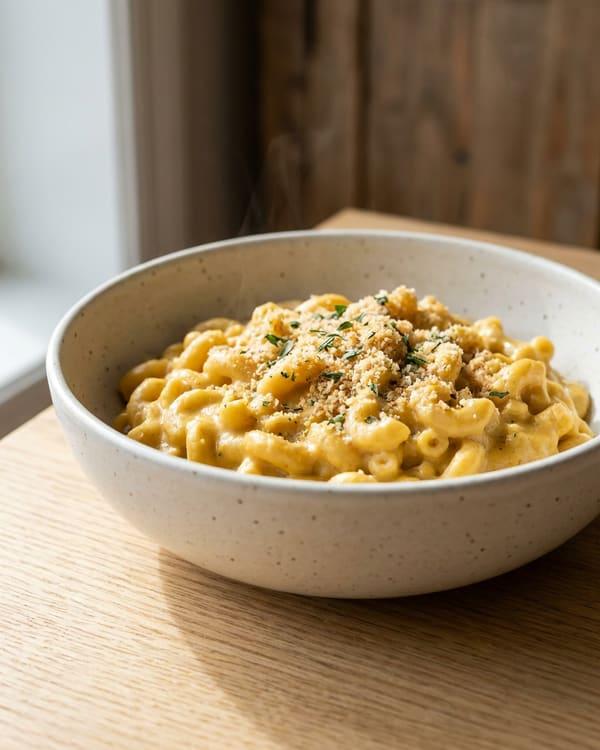
Cook the pasta extra soft and skip the salt. Small shells or elbows are easiest to pick up.
Serve as is. Stir in a few peas once they like the mac.
A kid classic. Serve broccoli on the side, or mixed in once they're used to it.
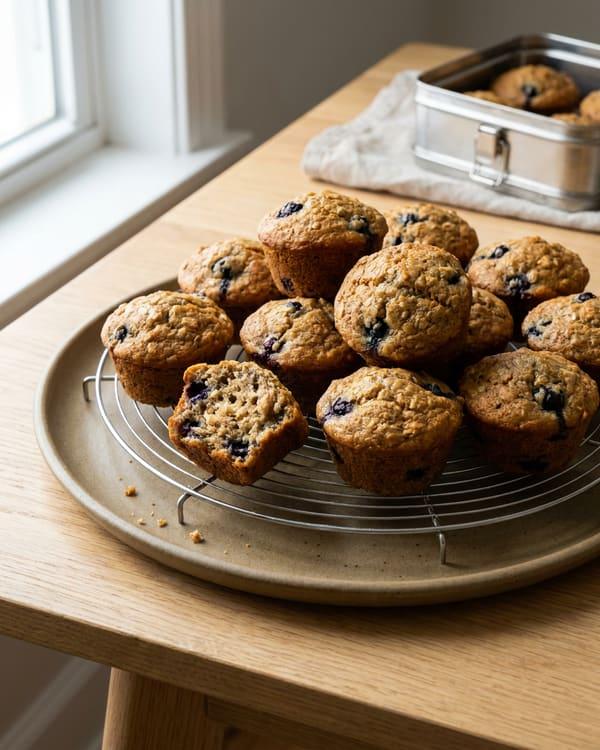
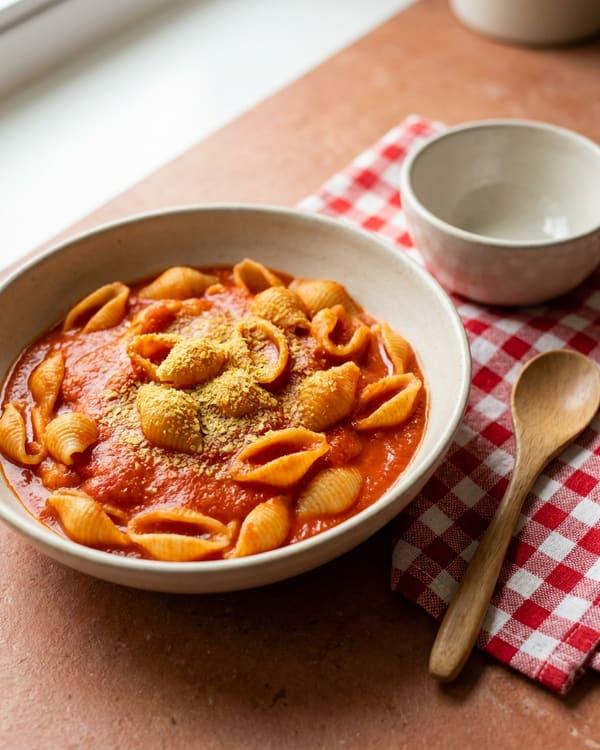
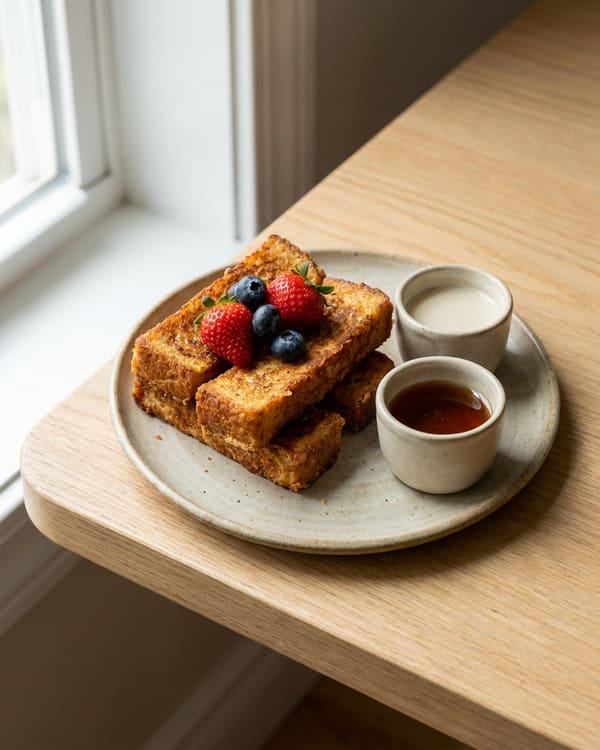
Nuggets, mac, pasta, muffins and French toast. Plant-based versions of what kids already eat are the easiest switch.
 Stephanie’s pick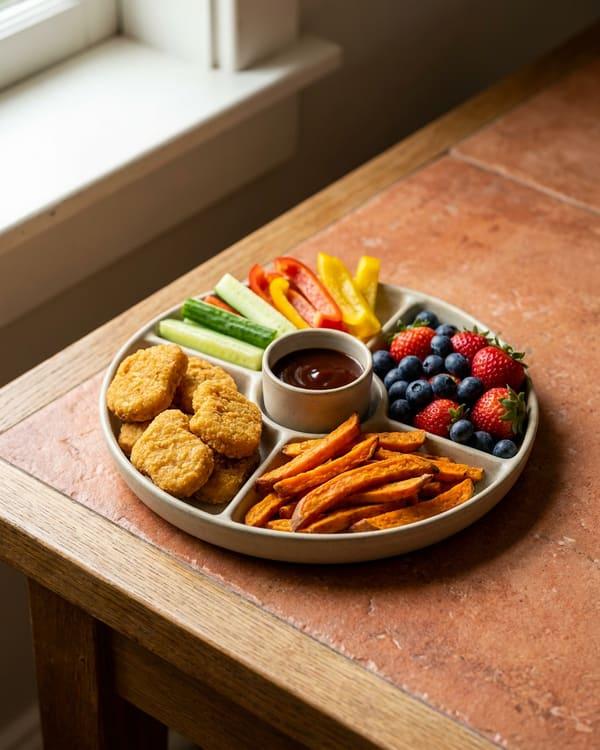
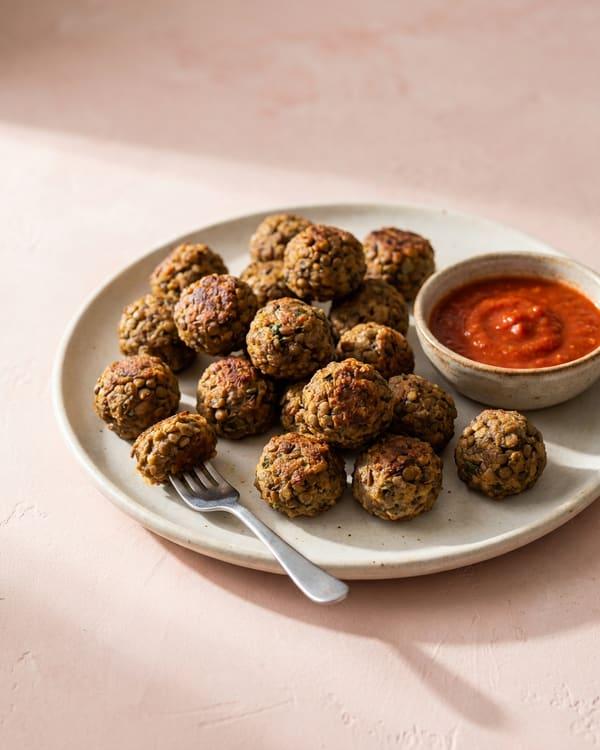
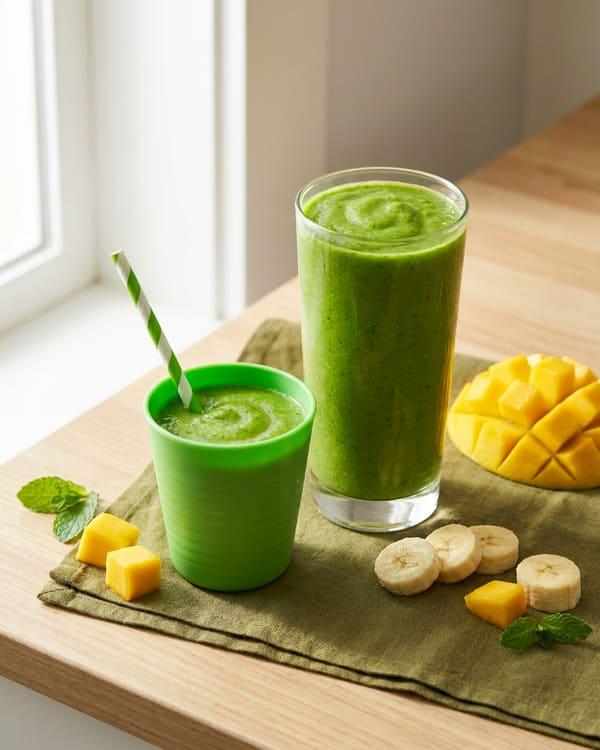
Picky eating peaks between 2 and 6 in every kind of family, plant-based or not. These ten rules come from feeding research, and they take the fight out of dinner.
Your job is to serve good food at regular times. Their job is to decide how much of it to eat. It takes the fight out of dinner.
Something they always eat, like bread, rice, pasta or fruit. Nobody goes hungry, and the new food has less pressure on it.
A touch, a lick or a bite that gets spit out still counts. Keep serving it calmly without asking them to eat it.
Same meal, separate piles. Nothing touching is a real thing for kids, and it's easy to give them.
Ketchup, hummus, BBQ sauce, plant ranch or guac. A dip turns a strange food into something they can try.
Nuggets, mac, pancakes, pasta, quesadillas and tacos. Plant-based versions of what they already like are the easiest switch.
Their usual mac, then mac with peas, then mac with broccoli. Small bridges, not big jumps.
Blend veggies into sauces for the nutrition. Also put some veggies on the plate where they can see them, so they learn.
Dessert isn't a reward, and nobody has to finish. Pressure makes kids eat less of the food you want them to eat.
Kids copy you. If they see you enjoying the tofu, they'll try the tofu eventually.
Kids aren’t small adults. Two of these need a supplement or fortified food every day. The rest come easily from a varied plate.
For the brain and blood. Plant foods don't have it reliably, so every plant-based kid needs a source.
A kids' B12 supplement or drops, or fortified soy milk and cereal every day. Breastfeeding? You need to take B12 too.
For bones. Most kids get too little whatever they eat.
Pediatricians recommend vitamin D drops for breastfed babies. Fortified soy milk and some sun help older kids.
For brain and eye development.
An algae-based DHA supplement, plus ground flax, chia, hemp hearts and ground walnuts.
Toddlers are the age most likely to run low.
Beans, lentils, tofu, fortified cereal. Serve with vitamin C (berries, oranges, tomato, peppers) to absorb more.
For thyroid and brain development.
Iodized salt in family cooking once they're past the baby stage. Ask your pediatrician about a supplement.
For growing bones.
Fortified soy milk and yogurt, calcium-set tofu, broccoli, tahini and white beans.
For growth and immunity.
Beans, oats, pumpkin seeds, nut butters and tofu.
Plant foods are filling and low in calories. Small kids can fill up before they've eaten enough.
Nut and seed butters, avocado, tofu, hummus and olive oil in every meal. Some white pasta and rice is fine.
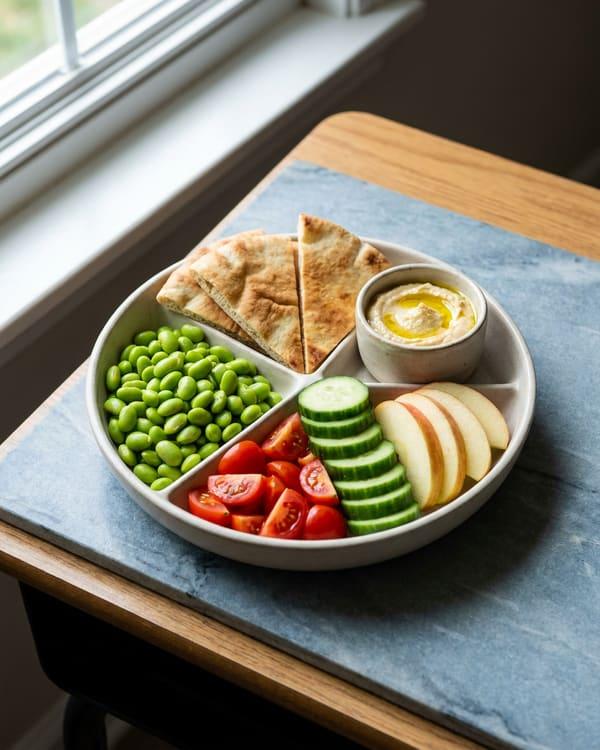
A protein, a carb, a fruit, a veggie and something fun. Tap any box to change it, or shuffle the whole thing.
Nut-free school? Swap peanut butter for sunflower seed butter. Always pack an ice pack.
Offering peanut, sesame, soy and wheat around 6 months, and keeping them in the diet, can lower the chance of a food allergy. Peanut butter thinned into oatmeal and tahini stirred into hummus are easy ways to start.
If your baby has eczema or a known allergy, talk to your pediatrician before starting peanut.
Many doctors haven't had much nutrition training, so bring your plan. The Academy of Nutrition and Dietetics says well-planned vegan diets are appropriate for every stage of life, including infancy and childhood.
“We're raising her plant-based. Here's our plan for B12, vitamin D and DHA. Can we check her iron and growth at each visit and adjust if needed?”
People help more when it's easy. Hand them five things your kid eats that they can grab at any store.
“Here's what he eats at your house: pasta with red sauce, PB and banana toast, bean and cheese quesadillas with plant cheese, plant nuggets, and any fruit. Thank you for helping!”
If your kid eats differently at a co-parent's or a friend's house, keep food neutral. Kids shouldn't feel guilty or caught in the middle. What they eat at home with you still counts.
Keep a few plant-based cupcakes or cookies in the freezer and send one to parties. Ask the school whether you can leave a stash with the teacher for birthday days.
Educational, not medical advice. Every child is different. Talk with your pediatrician or a registered dietitian about your child’s growth, supplements and allergies.
Yes, when it's planned well. The Academy of Nutrition and Dietetics, the largest group of nutrition professionals in the US, says well-planned vegan diets are appropriate for every stage of life, including pregnancy, infancy and childhood.
Well-planned is the key part. Kids need a reliable source of B12 and vitamin D, plus iron, calcium, iodine and omega-3 from food or supplements, and enough calories and fat to grow. Tell your pediatrician your plan so they can track growth and check iron.
Almost certainly. Kids need less than most people think, about 13 g a day for toddlers, 19 g for ages 4 to 8 and 34 g for 9 to 13. A cup of soy milk has 7 to 8 g, a few tofu fingers about 10 g, and a bean quesadilla 12 g or more.
Plant-based kids should aim a little above those numbers because plant protein is digested slightly less well. The bigger risk for small kids is too few calories, so keep fats like nut butter, avocado and olive oil in every meal.
Under 12 months, breast milk or infant formula only. Soy-based infant formula is the plant-based option. Plant milk isn't a safe main drink for babies.
After 12 months, unsweetened fortified soy milk or pea milk is closest to dairy for protein, calcium and vitamin D. About 16 to 24 oz a day is plenty. Rice milk isn't recommended for little kids because of arsenic, and almond, oat and coconut milk are too low in protein to be the main milk.
B12 is the one every plant-based kid needs, from a supplement or fortified foods every day. Vitamin D drops are recommended for all breastfed babies, and many kids need some vitamin D in winter.
An algae-based DHA supplement is a smart add. Iodine and iron are worth asking your pediatrician about. Dosing depends on age, so ask them for amounts.
Keep serving the family meal, pulled apart if they need it, with one food they always eat on the plate. It can take 10 to 15 tries before a kid accepts a new food, and a touch or a lick counts.
Start with shapes they know, like nuggets, mac, pasta, pancakes and quesadillas. Use dips, let them help cook, and skip the bribes and clean-plate rules. Our Family page has the whole playbook.