Cook plant protein like you mean it.
Bland tofu and rubbery seitan are technique problems. Here’s exactly how to buy, prep and cook the four proteins that carry a plant-based diet, so they come out crispy, chewy and full of flavor every time.
Crispy outside, tender inside, and it tastes like whatever you want it to.
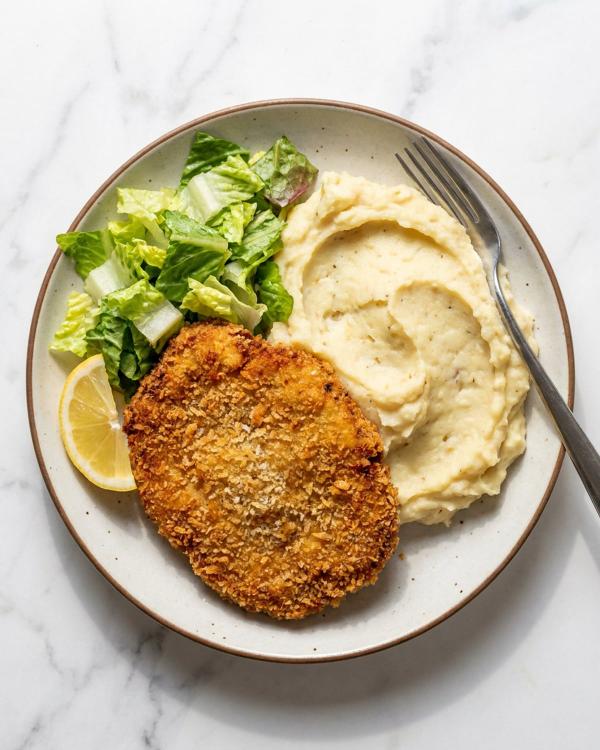
The chewiest, meatiest plant protein there is, with about as much protein per calorie as chicken breast.
Nutty, hearty and whole-food. The protein that converts people once they cook it right.
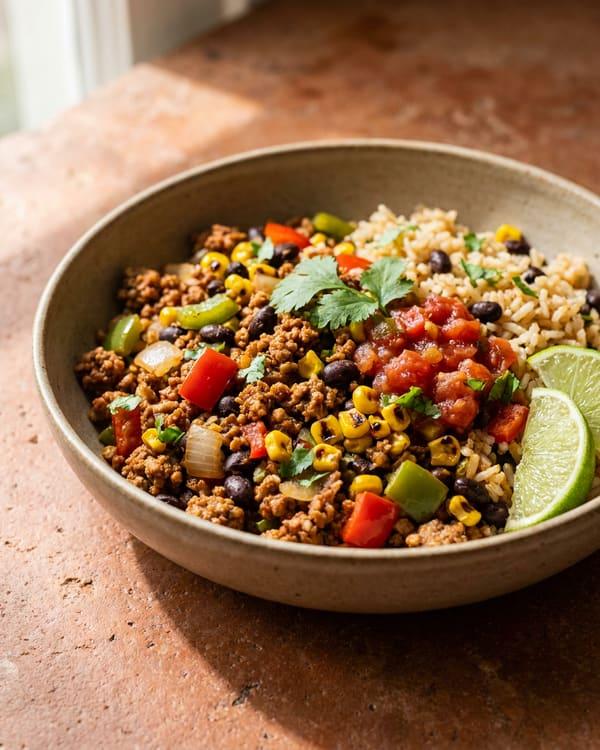
The cheapest protein in the store. Rehydrate it right and nobody can tell it from ground beef.
Every protein, side by side.
What it takes to get 30 g of protein from each one: how much you eat, the calories and fiber that come with it, and what it costs. Not sure how much protein you need? Work out your number →
- Soy protein isolate powderProtein powder · Ready-madeFor 30 g protein34 g114 calProtein per 100 cal26.4 g88.3 g per 100 gFiber with it1.9 gCost for 30 g$0.95
- Big Mountain Fava Bean Tofu (soy-free)Tofu · Simply made · How to cook itFor 30 g protein160 g131 calProtein per 100 cal22.8 g18.8 g per 100 gFiber with it0 gCost for 30 g$3.29
- Homemade seitanSeitan · Simply made · How to cook itFor 30 g protein136 g150 calProtein per 100 cal20 g22 g per 100 gFiber with it0.4 gCost for 30 g$0.55
- Pea protein powderProtein powder · Ready-madeFor 30 g protein39 g150 calProtein per 100 cal20 g76 g per 100 gFiber with it0.8 gCost for 30 g$1.38
- Upton's Naturals Traditional SeitanSeitan · Simply made · How to cook itFor 30 g protein95 g150 calProtein per 100 cal20 g31.6 g per 100 gFiber with it0.9 gCost for 30 g$2.28
- Pea and rice protein blendProtein powder · Ready-madeFor 30 g protein43 g157 calProtein per 100 cal19.1 g70 g per 100 gFiber with it1.4 gCost for 30 g$1.63
- Anthony's Goods Vital Wheat GlutenAnthony's Goods · Simply madeFor 30 g protein39 g164 calProtein per 100 cal18.3 g76.7 g per 100 gFiber with it0 gCost for 30 g$0.55
- Boca Original Vegan Veggie CrumblesBoca · Ready-madeFor 30 g protein155 g164 calProtein per 100 cal18.3 g19.3 g per 100 gFiber with it10.9 gCost for 30 g$2.28
- Vedge Plant Protein, Frosted Cinnamon RollProtein powder · Ready-madeFor 30 g protein41 g168 calProtein per 100 cal17.8 g73.5 g per 100 gFiber with it2.4 gCost for 30 g$2.45
- Vedge Plant Protein, VanillaProtein powder · Ready-madeFor 30 g protein41 g168 calProtein per 100 cal17.8 g73.5 g per 100 gFiber with it2.4 gCost for 30 g$2.45
- SeitanSeitan · Simply made · How to cook itFor 30 g protein120 g169 calProtein per 100 cal17.7 g25 g per 100 gFiber with it0.7 gCost for 30 g$2.40
- Boca Original Vegan Veggie BurgersBoca · Ready-madeFor 30 g protein152 g172 calProtein per 100 cal17.5 g19.7 g per 100 gFiber with it8.5 gCost for 30 g$2.68
Numbers come from USDA data and package labels, per 100 g as sold (TVP and soy curls dry). Cost is a typical US grocery price.
An independent guide that grades every protein source on its whole nutritional package, with the research behind it. Open it and tap Proteins.
Common questions
How much protein do I actually need?
For general health, the baseline is about 0.8 g per kilogram of body weight (0.36 g per pound). That covers most people who aren't training hard.
If you lift or want to build muscle, aim higher, around 0.7 to 1 g per pound of body weight. Our calculator gives you a personal number, including a high-protein mode.
Are plant proteins complete?
Every plant protein contains all nine essential amino acids. Some are lower in one or two (grains are a little low in lysine, for example), which is why they get labeled incomplete.
In practice it doesn't matter. Eat enough total protein from a few different sources across the day and the gaps cover each other. You don't need to combine foods at each meal. Soy, seitan paired with beans, and most protein powders are strong on their own.
A Stanford review of the research put it plainly: legumes, nuts and seeds are enough for full protein adequacy in adults, and the worry about missing amino acids has been "substantially overstated."
Does soy give you estrogen or lower testosterone?
No. Soy contains isoflavones, sometimes called phytoestrogens. They're plant compounds, not estrogen. They bind to estrogen receptors weakly and selectively, which is very different from the hormone itself.
The research on men is clear. A 2021 meta-analysis of clinical studies found that soy and soy isoflavones don't change testosterone or estrogen levels at normal intakes.
What are the highest-protein plant foods?
Per calorie, the leaders are fava bean tofu (about 64 g in a block with zero carbs or fat), seitan, super-firm tofu, tempeh and TVP. Edamame, lentils, beans, soy milk and pea or soy protein powder fill in the rest.
See exactly how many calories it takes to get 30 g from each one in the Protein explorer.
How do plant and animal proteins compare?
The Protein Resource, a guide built by a pediatrician and nutrition advocates from business and non-profits, grades common protein foods on their whole package: nutrients, trade-offs and health evidence. Here's how it shakes out, with typical protein per serving.
Top grades go to plants: beans, peas and lentils (7 to 18 g), tofu (8 to 13 g), tempeh (15 to 18 g), nuts and seeds (5 to 9 g) and plant-based meats (14 to 28 g). They come with fiber or healthy fats, no dietary cholesterol, and strong evidence for heart and metabolic health.
In the middle: fish, cottage cheese, chicken, turkey and eggs. They bring useful nutrients like omega-3s or B12, but no fiber and some dietary cholesterol, and their effect depends on how much you eat and how they're cooked.
At the bottom: beef and pork, then bacon, sausage and deli meats, which carry the most saturated fat and sodium and the strongest links to heart disease, diabetes and colorectal cancer.
Their one-line takeaway is ours too: prioritize plant protein. See every grade at proteinresource.org.